
Monday, 8:15 a.m. Staff are standing beside half-packed desks, the service elevator booking was made for the wrong time, IT is still tracing cables, and the landlord wants the old space cleared by end of day. That is how office moves get expensive.
A proper office relocation checklist prevents that scramble. For GTA and Durham Region businesses, the job is not just getting desks from one address to another. It means coordinating lease deadlines, building access, elevator reservations, IT cutover, staff communication, furniture decisions, and downtime control on a real timeline. A Toronto high-rise move has different pressure points than a ground-floor office in Whitby, Ajax, or Pickering. The plan has to reflect that.
This guide is built as a seven-phase project plan, starting 90 days out and carrying through post-move cleanup. It is meant for business owners, office managers, and operations leads who need a workable sequence, not a vague to-do list. If you are evaluating Commercial movers, Office Moving Services, this is the framework that helps you compare quotes, assign responsibilities, and keep the move under control.
The biggest mistakes usually happen early. Teams underestimate how long it takes to document assets, approve new furniture, schedule telecom work, and confirm building rules. They also treat IT records as an afterthought, which slows down setup in the new space. A solid asset register and a practical guide to IT documentation help prevent that problem before moving day.
At On The Move Moving & Junk Removal, we have handled office relocations across Oshawa, Whitby, Ajax, Pickering, Toronto, and nearby communities for more than 15 years. The pattern is consistent. The smooth moves start early, make clear decisions by phase, and leave room for the realities of loading docks, traffic windows, elevator access, and last-minute landlord requirements. If you want a useful planning habit before the first label goes on a box, use the same disciplined inventory mindset found in this home inventory for moving approach and apply it to your office furniture, equipment, files, and tech.
1. Phase 1 90+ Days Out The Strategic Blueprint
Ninety days out, the move can still go two ways. One path ends with crews waiting on elevator access, staff hunting for monitors, and phones going live days late. The other ends with a controlled handoff because the decisions that cause trouble later were made early.
This phase sets the job up properly. For businesses in Toronto, that often means dealing with stricter tower rules, booking windows, certificates of insurance, and limited dock access. In Durham Region, the pressure usually shows up differently. Multi-tenant office complexes in Oshawa, Whitby, Ajax, and Pickering may be easier on elevator bookings, but they still require landlord approvals, vendor coordination, and a clear cutover plan for IT and furniture.
Set the project team and scope
Start with one internal move lead who can make decisions and chase answers. Then assign leads from IT, HR, operations, and finance. Every task needs one owner. If three people own it, nobody owns it.
Build one master tracker and use it from day one. Keep it simple enough that people will update it.
- Task owner: Assign one person to each item.
- Deadline: Use fixed dates.
- Approval status: Track landlord sign-off, vendor quotes, and internal approvals.
- Cost category: Separate movers, packing materials, IT work, furniture work, disposal, storage, and temporary overlap costs.
- Building requirements: Record dock rules, elevator reservations, insurance requirements, and permitted move hours for both locations.
The scope has to be settled early too. Decide what is moving, what is being replaced, what is going to storage, and what is being disposed of. A Toronto law office with filing systems, private records, and large boardroom furniture needs a different plan than a tech firm in Pickering that has already shifted much of its work to laptops and cloud tools.
Build a budget that reflects the real move
A realistic office move budget covers far more than the truck and crew. It should include telecom setup, disconnect and reconnect work, furniture disassembly and reassembly, disposal, storage, packing supplies, after-hours labour if the building requires it, and a contingency for surprises.
The biggest misses usually come from overlap costs. Rent can overlap. Internet service can overlap. Security access, cleaners, and trades can overlap too. If management approves only the physical move, the numbers will look fine on paper and fail in practice.
Practical rule: If the budget only covers movers and boxes, it is missing major costs.
When comparing providers, ask direct questions. Confirm insurance coverage, crew experience with office furniture systems, after-hours availability, packing support, and whether fees for trucks, fuel, stairs, or long carries appear later on the invoice. On The Move keeps pricing simple with no truck or fuel fees, which makes budgeting easier from the start.
If you’re evaluating partners, review Commercial movers, Office Moving Services before you choose a company.
Get your documentation under control
Early documentation saves hours later. Gather lease documents, floor plans, asset lists, key contacts, vendor agreements, and department seating plans in one shared location.
IT records need special attention because they affect the first day of work in the new office. Document workstation assignments, network drops, printers, shared devices, conference room equipment, server or closet requirements, and any hardware that should not ride in the truck. If your records are incomplete, use this practical guide to IT documentation to tighten them up before the move gets closer.
One more point matters here. Create a first-day plan for the new office while there is still time to fix gaps. Staff should know where they sit, what equipment they will have, how they will access the space, and who handles problems on arrival. That is how Phase 1 stops the move from becoming a scramble later.
2. Phase 2 60 Days Out Logistics and Vendor Lock-In
Sixty days out, the office move stops being a planning exercise and starts becoming a scheduling job. If key vendors are still “pending” at this point, the risk shifts from inconvenience to lost operating time on day one.
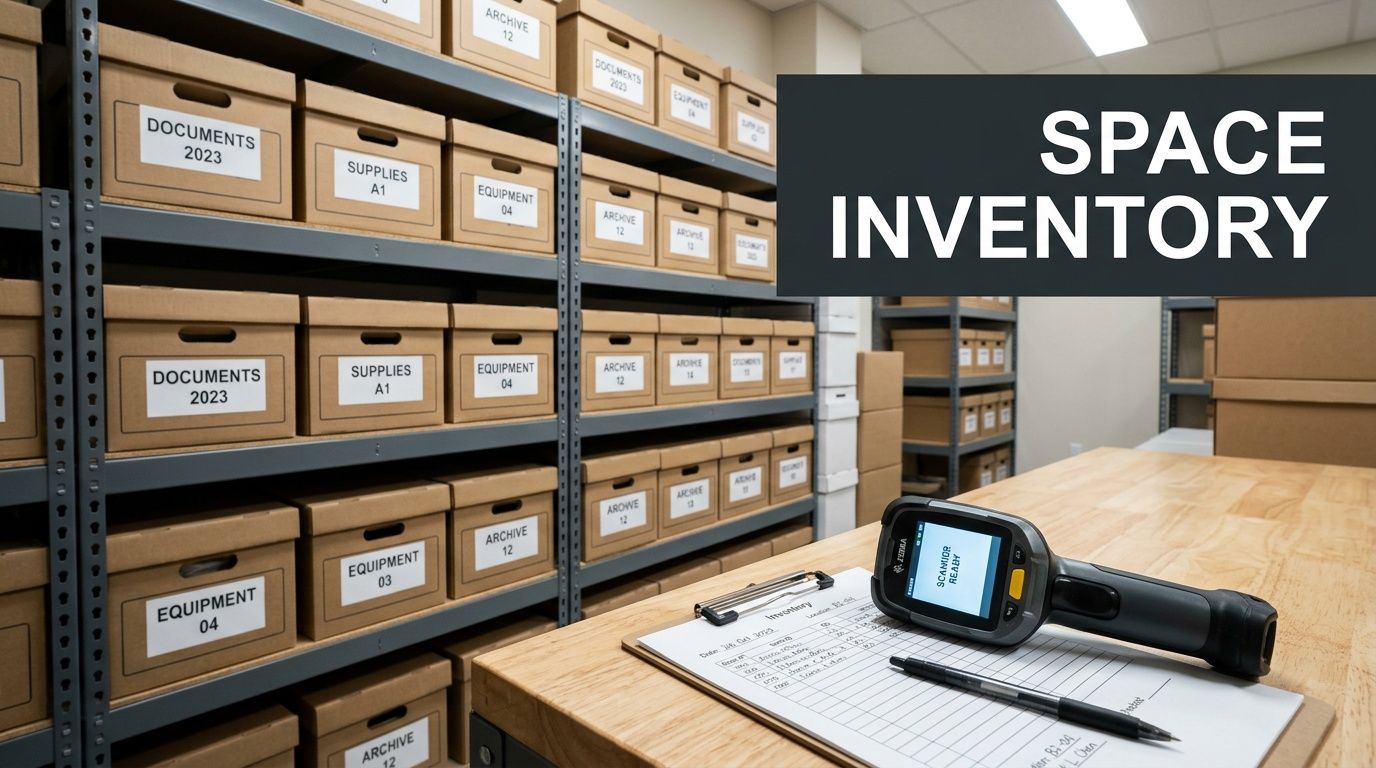
The priority in this phase is simple. Confirm the date, lock the building rules, sequence every outside vendor, and remove any dependency that could leave your team standing in a finished office without internet, phones, access cards, or working meeting rooms.
Finalize the move date and building access rules
Get every approval in writing from both properties. Verbal confirmation from a property manager is not enough when elevator times, loading dock access, or security clearance are involved.
Toronto high-rises usually require tighter control than suburban Durham buildings. In downtown towers, it is common to book freight elevators weeks ahead, submit certificates of insurance in advance, and work inside narrow evening or weekend move windows. In Oshawa, Whitby, Ajax, or Pickering business parks, access can be easier, but do not assume that means unrestricted loading, after-hours entry, or easy truck placement.
Confirm these items now:
- Move-out and move-in approvals: Written permission, dates, and any permitted hours
- Loading logistics: Dock reservations, truck size restrictions, and where crews can stage
- Elevator access: Freight elevator booking, padding requirements, and key or fob access
- Insurance paperwork: COIs, WSIB details if requested, and building-specific forms
- Exit obligations: Patch-and-paint work, fixture removal, cleaning, and key return deadlines
- New layout sign-off: Final floor plans for desks, shared areas, storage, and copier zones
This is also the right time to confirm what stays behind. If your old space has years of extra chairs, dead monitors, boxed files, and broken shelving, clear it before packing starts. These quick decluttering tips for movers help reduce truck space, labour time, and disposal headaches.
Sequence vendors in the right order
Vendor timing matters as much as vendor selection. Internet, phones, security, locksmiths, furniture installers, electricians, cleaners, and movers all need dates that match the actual condition of the new office.
The biggest mistake I see is booking the mover first and assuming everyone else will fit around that date. That works in small ground-floor units. It fails fast in Toronto towers and multi-tenant GTA buildings where access is controlled and trades need separate appointments.
Use a simple sequence:
- Landlord and property management approvals
- Electrical, cabling, and any minor construction
- Internet and phone installation
- Access control, alarm, and security setup
- Furniture delivery or reconfiguration
- Boardroom and screen installation
- Cleaning
- Move day
If one vendor slips, check the entire chain. A delayed fibre install can push phone setup. Delayed phone setup can affect reception, sales, support, and payment processing on the first business day in the new office.
Lock in IT, phones, and meeting room setup
A relocation feels successful when staff can log in, make calls, print, and join meetings without hunting for workarounds. That outcome depends on work completed well before moving day.
Confirm service transfer dates with your ISP and telecom provider. Verify who is responsible for modem delivery, router installation, patching, switch setup, Wi-Fi coverage, and testing. If your business is moving into a newly built or recently subdivided suite in Durham Region, confirm that the promised service is active in your unit and not just available somewhere in the complex.
Conference rooms need the same level of attention. If your boardroom depends on displays, cameras, microphones, control panels, and cable management, schedule that installation now so the room works when the team arrives. This guide to smart office AV solutions is a useful reference when you are planning meeting spaces that need to function immediately.
Keep your eye on scope, not just the lowest number. These tips on avoiding common moving quote mistakes can save you from the classic cheap quote, expensive move problem.
3. Phase 3 30 Days Out Internal Coordination and The Great Purge
A month out, the move becomes an internal communications job as much as a logistics job. If staff don’t know what’s happening, they’ll invent their own process. That usually means mixed labels, random packing, and key items disappearing into the wrong boxes.
This is also the best moment to cut what you don’t need. Hybrid work has changed what many Ontario businesses use. Since 2024, office footprints in Toronto and Durham Region have shrunk by 35%, and 62% of Ontario SMBs under 100 employees are choosing rightsized spaces under 5,000 square feet, according to the underserved-angle market summary provided above. If you’re moving into less space, dead furniture and old files become a real problem.
Communicate like a project manager, not a hallway rumour
Send one official move notice to all staff. Include the date, expected packing deadlines, what employees pack themselves, what movers handle, and who to contact with questions.
Then appoint one move champion in each department. That person doesn’t need to carry boxes. They need to keep their team on schedule, confirm labels are accurate, and flag problems before moving day.
Use simple rules:
- Personal items: Staff pack them.
- Shared equipment: Department lead confirms it.
- Files and records: Management decides what stays, what’s digitized, and what’s destroyed securely.
- Sensitive items: Identify them separately and control who handles them.
If employees are asking basic move questions one week before the relocation, communication started too late.
Purge aggressively and responsibly
A Whitby accounting office might cut years of archived paper through secure shredding before moving. An Oshawa non-profit might identify old desks, broken shelving, and unused cabinets that don’t belong in the new space. Every item removed now saves handling time later.
The sustainability side matters too. In Ontario, 45% of relocations generate 2 to 5 tons of e-waste, according to the underserved-angle summary above. If your office has old monitors, printers, cables, or phones, plan disposal properly instead of stuffing them into the last truck load.
For businesses trimming volume before the move, these quick decluttering tips for movers are a good place to start. This is also where On The Move has an edge. We handle moving and junk removal together, so you don’t have to coordinate a second company just to clear out old furniture and office waste.

4. Phase 4 14 Days Out Packing and Furniture Logistics
Fourteen days before the move, the risk shifts from planning errors to handling errors. This is the stage where boxes get mislabeled, hardware disappears, and one poorly staged area slows the whole crew down on moving day. In Toronto high-rises and Durham business parks, good packing discipline saves hours because elevator time, loading access, and crew labour are all tied to how well the office is prepared before the first dolly rolls in.
Pack in a sequence that protects business operations. Start with records, storage areas, surplus workstations, meeting rooms that are rarely used, and kitchen overflow. Leave active desks, shared printers, and current project materials until the last practical window.
Give each department one first-day kit. Keep chargers, label sheets, scissors, markers, notepads, basic hand tools, and any day-one forms in that box. If the new office opens on Monday morning, that single step prevents a lot of wasted time.
Labels need to answer three questions at a glance:
- Where it goes: Room name, floor, or location code
- Who it belongs to: Department, team, or employee
- What it contains: Clear broad contents such as “HR files” or “kitchen supplies”
Avoid vague labels. “Misc.” creates delays at unload.
A Bowmanville call centre can usually pack its training room early without affecting service. A Scarborough design firm may need to crate monitors and disassemble oversized tables because standard service elevators and tight corridor turns do not forgive bad measurements. The packing plan should reflect the actual space, not a generic checklist.
Treat furniture like an install project
Furniture needs its own work order. Desks, modular stations, shelving, reception counters, and boardroom tables should be tagged piece by piece before disassembly starts. Take photos from multiple angles. Bag all hardware separately. Label each hardware bag to match the exact item it belongs to.
This matters even more with panel systems and shared benching. If parts from one station get mixed with another, reassembly slows down fast and staff walk into an unusable workspace on day one.
Measure the new office before you move anything large. Toronto office towers often have elevator interior limits, booking windows, and wall protection rules that force tighter sequencing. In Durham complexes, the issue is often different. Ground-level access is easier, but long carrying distances from parking or loading areas can change the order you stage furniture and crates.
Keep packing and tech coordination tied together
Furniture moves affect IT setup. A desk that lands in the wrong location can throw off monitor deployment, phone placement, and cable runs. If your team is relocating workstations, confirm that your furniture numbering matches the seating plan and equipment list already prepared earlier in the project.
Pack cables and peripherals by user or by station, not in one shared bin. Label monitor arms, docking stations, keyboards, and power adapters so they return to the right setup without guesswork. That reduces reinstallation time and avoids the Monday morning hunt for missing parts.
If you need help structuring the packing flow, protecting furniture, and managing disassembly properly, this guide to choosing packing movers lays out what to look for. In many office moves, professional packing and reassembly costs less than replacing damaged furniture or paying employees to troubleshoot preventable setup mistakes.
5. Phase 5 The Final Week Countdown and Confirmations
Monday morning after the move is where weak planning shows up fast. The desks are in place, but security cannot let half the team in. Internet is live, but one shared drive was never backed up. The truck arrives on time, then sits because the freight elevator booking was entered for the wrong window. The final week is where those mistakes get caught, or where they turn into expensive delays.
Treat this phase like a control check. The floor plan should already be set. Packing should already be well underway. What matters now is confirming access, locking down operating systems, and closing every loose end that can stall your first day in the new space.
Reconfirm access, timing, and site readiness
Do not rely on earlier emails. Reconfirm every detail with the landlord, property manager, security desk, elevator contact, IT lead, and moving company. Then keep the written confirmations in one place your project lead can reach from a phone.
Toronto high-rises usually create the tightest margin for error. Freight elevator windows, certificate of insurance requirements, security lists, and protection rules for lobbies or corridors can all stop a move that looked ready on paper. In Durham and other suburban complexes, the issue is often less about elevator control and more about access timing, loading area availability, and whether the new unit is clean, accessible, and ready for crews.
Use a final verification checklist that covers:
- Building access: Keys, fobs, alarm codes, freight elevator times, security approvals
- Loading logistics: Dock location, truck route, parking reservations, after-hours entry instructions
- Crew readiness: Site contacts, phone numbers, vendor arrival times, any required staff lists
- Move scope: What is packed, what still needs labels, what stays behind, what goes straight to storage
- New office readiness: Power on, washrooms open, network live, boardrooms and offices clearly marked
One missing approval can waste half a day.
Lock down backups and business continuity
The final week is also your last clean window to protect business data and critical operations. Run final backups as close to shutdown as practical. For many offices, that means after the last full workday in the old space, not several days earlier when files are still changing.
Back up local devices, shared folders, finance records, scheduling tools, phone system settings, and any files tied to client delivery. If you have a server, confirm who is shutting it down, who is transporting it if it is moving, and who is authorized to bring it back online. Sensitive files and devices should have named custody, not general move labels.
This is also the week to confirm fallback procedures. If internet activation slips, can key staff work from mobile hotspots for a few hours? If your phones are delayed, do clients have alternate contact numbers? Those are the trade-offs that keep a minor delay from becoming a service failure.
Do one last physical walkthrough
Walk the new office with your floor plan, seating chart, and key list in hand. Check the basics. Are suites numbered clearly? Are any rooms still locked? Are there patched walls, fresh paint, or wet floors that will affect furniture placement? If a reception desk, copier, or boardroom table has only one realistic path in, verify that path now.
I also like to check small things that get ignored until move day. Where do crews enter? Where can packed bins be staged without blocking fire routes? Which washroom is open after hours? In GTA tower moves, these details matter because the building staff may not bend the rules once the move starts.
If your team is still finishing the last wave of cartons, these packing and moving tips can help tighten up labelling and avoid last-minute confusion.
Free packing supplies can help during the last push. On The Move includes them, which gives teams a little more room when final packing runs longer than expected.
6. Phase 6 Moving Day The Execution
At 8:00 a.m., the elevator booking starts, the truck is on the clock, and building management expects your team to follow the rules from the first load to the last. Moving day in a Toronto tower or Durham office complex runs well when the plan is already settled and one person is calling the shots.
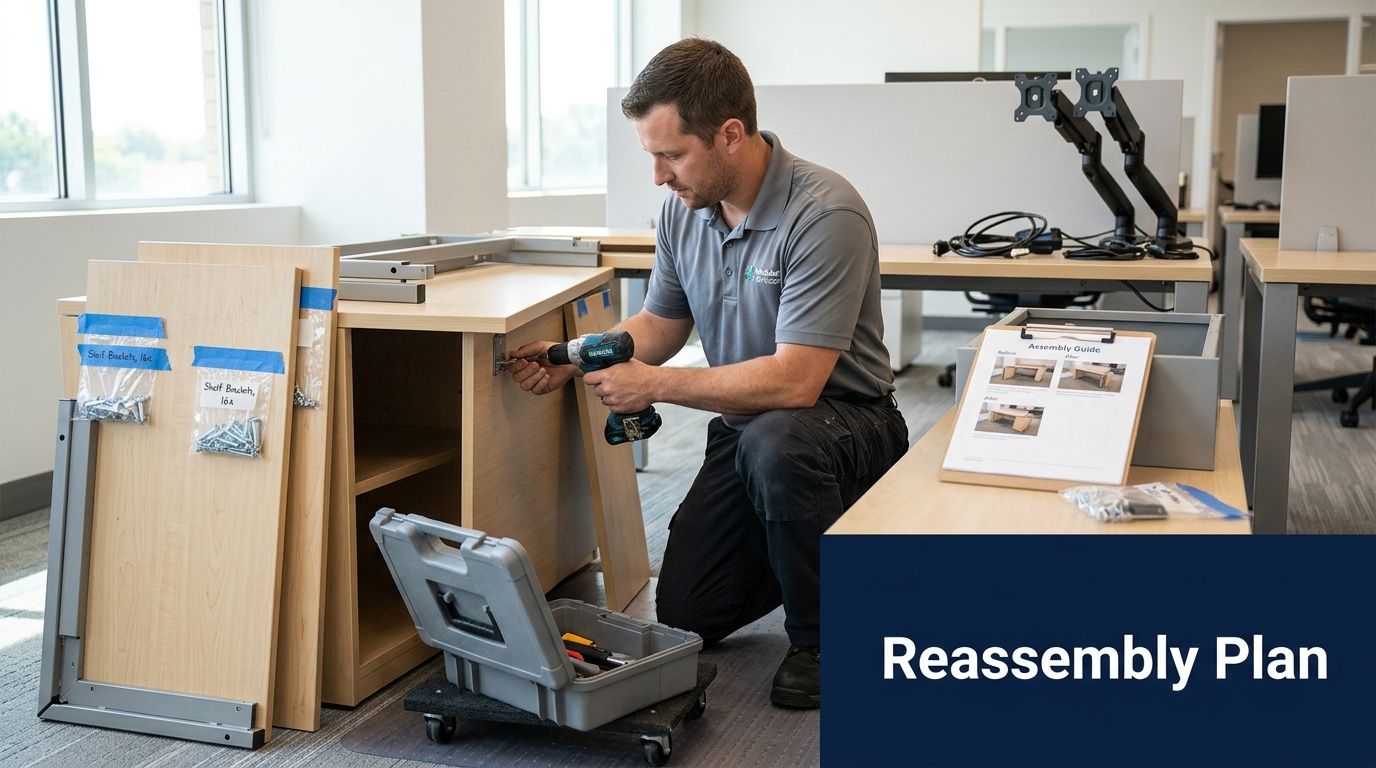
Execution day is where good planning either holds or falls apart. If the floor plan is still being debated, if staff are stopping movers in the hallway, or if no one knows which items unload first, the day slows down fast and labour costs climb with it. By this phase, department locations, furniture placement, and priority equipment should already be locked.
Run one chain of command
The move foreman needs one client contact. That should be your relocation lead or project manager. Department representatives can answer questions about their teams, but they should not redirect crews on their own.
Post printed floor plans at the entrance, freight elevator exit, and inside the new suite. Label rooms clearly. Use coloured stickers or zone labels if you have multiple departments, storage areas, or shared meeting rooms. In larger Mississauga, Markham, or Whitby moves, that simple system saves repeated questions because crews can place boxes and furniture correctly without constant interruptions.
Keep the site disciplined:
- Protect finishes: Cover floors, elevator interiors, and corners before heavy items start moving.
- Unload by priority: Reception, IT, shared workstations, and leadership offices usually go first.
- Record issues immediately: Photograph damage, count missing items, and flag them before the truck leaves.
- Control foot traffic: Staff should stay clear of loading paths unless they have an assigned role.
Manage the building, not just the truck
This is the part many companies underestimate. In downtown Toronto, lost time usually comes from dock delays, elevator windows, security sign-ins, and hallway restrictions. In Durham business parks, the problem is often different. Fewer restrictions inside the building, but longer carries, tight loading areas, or shared access with other tenants.
A good move lead watches both sites at once. The old office needs someone confirming what has left. The new office needs someone receiving, directing placement, and checking that nothing gets stacked in the wrong room just because it is convenient in the moment.
Crews also need clear rules for what does not move yet. Server racks, executive files, sensitive records, and first-day operational equipment should follow the sequence set in earlier phases, not whatever is closest to the truck.
Let movers handle the physical work
Staff involvement needs limits. Employees are useful for answering ownership questions, opening cabinets, and checking placements. They are not the people who should carry boardroom tables, disconnect modular furniture, or crowd the loading path trying to help.
Experienced commercial movers adjust quickly when access conditions change. A delivery truck blocks the dock. Property management shifts the entrance. A reserved elevator comes back late. The right crew keeps working through the change without turning it into confusion for your team.
If your staff need a last-minute refresher on labels, priority boxes, or staged packing, keep these packing and moving tips handy before the truck arrives.
7. Phase 7 Post-Move Settling In and Wrapping Up
Monday at 8:30 a.m. is when a move gets judged. If the internet is live, reception can answer calls, staff can find what they need, and the boardroom screen works for the first meeting, the relocation feels under control. If those pieces are still half-finished, the move keeps costing you time after the trucks are gone.
The first week needs a clear closeout plan, especially in Toronto towers and Durham office complexes with different handover rules. Some landlords want loading area sign-off, elevator checks, damage review, or final certificates after the move. Handle those items right away so they do not turn into chargebacks or deposit disputes later.
Restore operations in business order
Set up the office by function, not by whoever opens boxes first.
Start with anything tied to revenue, client communication, and security. That usually means internet service, phones, Wi-Fi, access control, reception, shared printers, and meeting room technology. After that, finish department workstations, storage areas, and lower-priority rooms.
Run a proper first-week check:
- Test core systems: internet, phones, printers, scanners, logins, alarms, fobs, and boardroom tech
- Confirm workspace setup: desks, chairs, monitors, power, and cable management
- Orient staff: entrances, exits, washrooms, lunch areas, supply storage, parking, and building access routines
- Update business records: website, Google Business Profile, invoices, banks, insurers, suppliers, and government records
- Close out the old office: final cleaning, key return, walkthroughs, and any remaining pickups
In Toronto, this phase often exposes small problems that slow down a whole floor. A patchy Wi-Fi zone in one corner. Missing labels on shared storage. A copier dropped in the wrong room because placement was rushed on move day. In Durham, the issues are usually less about elevator logistics and more about layout adjustments once staff start using the space.
Finish debris removal and correct layout mistakes
The new office usually looks settled before it is functional. Boxes are empty but still in the way. Packing paper fills a storage room. Old cables, extra shelving, and surplus furniture take up space your team needs on day one.
Fast cleanup matters because clutter slows setup, creates trip hazards, and makes a new office feel unfinished. Integrated junk removal solves that problem. It clears the cardboard, packaging, and leftover items that should never stay on the floor after the move.
On The Move can handle that cleanup as part of the post-move wrap-up. Your staff stay focused on getting back to work instead of breaking down boxes and dragging waste to the loading area.
Capture lessons while the details are fresh
Give managers and team leads a short review window in the first few days. Ask what held up productivity, what was placed well, what needs to shift, and which vendor or building issue caused delays.
Keep that record. The next office move may be years away, but the same notes also help with current space planning, furniture purchases, and future expansion. A well-run relocation is not finished when everything arrives. It is finished when the business is operating normally, the old site is closed properly, and no one is still chasing move-related problems two weeks later.
7-Phase Office Relocation Checklist Comparison
| Phase | 🔄 Implementation Complexity | ⚡ Resource Requirements | 📊 Expected Outcomes | ⭐ Ideal Use Cases | 💡 Key Advantages / Tips |
|---|---|---|---|---|---|
| Phase 1: 90+ Days Out, The Strategic Blueprint | High, multi-stakeholder planning & vendor vetting | PM time, budgeting, vendor RFPs, contingency (10–15%) | Clear scope, vetted mover, realistic budget, fewer downstream issues | Large/complex relocations; lease negotiations; major IT changes | Appoint PM & committee; master tracking sheet; vet insured movers |
| Phase 2: 60 Days Out, Logistics & Vendor Lock-In | Medium‑High, contract finalization & scheduling | Vendor contracts, landlord coordination, telecom/IT scheduling | Installations in place, move date secured, reduced downtime risk | Moves in busy markets or peak season; AV/IT heavy setups | Get agreements in writing; schedule internet/phone before move |
| Phase 3: 30 Days Out, Internal Coordination & The Great Purge | Medium, internal alignment & decluttering | Staff time, shredding/junk removal, packing supplies | Reduced volume to move; clearer packing responsibilities | Organizations with legacy archives or excess furniture | Assign move champions; colour‑code labels; purge early |
| Phase 4: 14 Days Out, Packing & Furniture Logistics | Medium, physical disassembly planning | Packing materials, furniture disassembly tools or pro crew | Inventory of high‑value items; packed non‑essentials; labeled hardware | Moves with complex furniture or elevator constraints | Photo hardware, label parts, create "Move Essentials" box |
| Phase 5: The Final Week, Countdown & Confirmations | Medium, last‑mile coordination & confirmations | Final vendor checks, access cards, cleaning services | 95% packed, confirmed logistics, minimal surprises on move day | Tight timelines; winter or restricted‑access moves | Final backups; walkthrough new site; distribute clear instructions |
| Phase 6: Moving Day, The Execution | High, on‑site coordination and troubleshooting | Full moving crew, site supervisors, floor protection supplies | Physical relocation executed; boxes/furniture placed per plan | Large day moves; multi‑entry or multi‑crew operations | Station move champions; keep essentials with you; stay calm |
| Phase 7: Post‑Move, Settling In & Wrapping Up | Medium, testing, unpacking, closeout tasks | IT support, unpack teams, final cleaning/junk removal | Restored operations, tested systems, lessons documented | First week stabilization after any commercial move | Phase unpacking, debrief team, update addresses and profiles |
Your New Office Awaits Let’s Get You There, Stress-Free
A strong office relocation checklist doesn’t just keep boxes organized. It protects your time, your budget, your staff, and your client experience. That matters even more in the GTA and Durham Region, where office relocations involve building rules, elevator bookings, traffic, winter conditions, hybrid work changes, and the usual pressure to keep the business running while everything around it shifts.
The biggest mistake most companies make is treating the move like a single-day event. It isn’t. It’s a staged project. The businesses that handle it well start early, assign clear ownership, make firm decisions about IT and space use, and remove everything that doesn’t belong in the new office. They don’t wait for moving week to solve problems that should have been handled two months earlier.
There are real trade-offs at every stage. Downsizing can reduce waste and make the new space more efficient, but only if you purge properly. Doing some prep internally can save money, but only if your team has the time and discipline to label, inventory, and coordinate without slowing down operations. Hiring a cheap mover might look good on paper, but vague pricing, limited commercial experience, and weak building coordination usually cost more later in delays, damage, and confusion.
That’s why the moving partner matters. You want a company that understands more than loading and unloading. You want a team that knows how to work with Toronto high-rises, Whitby office plazas, Ajax commercial parks, Oshawa industrial corridors, and the practical issues that come with each one. You also want pricing you can trust. On The Move Moving & Junk Removal keeps things clear with affordable rates, no hidden truck or fuel fees, free supplies, and we pay the tax. We’re fully insured and bonded, and we bring more than 15 years of experience to every commercial relocation.
We also know that many businesses need more than transport. They need packing help, furniture disassembly and reassembly, junk removal, careful handling of equipment, and a crew that communicates clearly from quote to completion. That’s where a local, full-service company makes the whole process easier. Instead of juggling multiple vendors, you get one accountable team that can manage the move from planning through cleanup.
If you’re relocating an office in Toronto, Pickering, Ajax, Whitby, Oshawa, or anywhere else across Durham Region and the GTA, start with the timeline in this guide and get your key decisions locked in early. Build your move around realistic access rules, realistic IT timelines, and realistic staffing needs. Then bring in professionals who do this work every day.
On The Move Moving & Junk Removal is built for exactly that. We help Ontario businesses move with less downtime, less confusion, and far less stress. If your move is coming up, now’s the time to get the date on the calendar, confirm the scope, and get a team in place that knows how to execute.
Ready to get started? Contact us for a free, no-obligation quote and let’s plan your office move the right way.
If you're planning an office move in Toronto, Whitby, Ajax, Pickering, Oshawa, or anywhere across Durham Region and the GTA, On The Move Moving & Junk Removal makes the process simpler. Get a free quote, book a fully insured and bonded crew, and let our team handle packing, moving, furniture setup, and junk removal with affordable rates, free supplies, no truck or fuel fees, and the tax already covered.
CTA
On The Move Moving & Junk Removal – Trusted Movers Across Durham Region & the GTA
Local • Long-Distance • Residential • Commercial • Seniors • Junk Removal
Fully Insured • No Truck or Fuel Fees • Free Supplies • 15+ Years Experience
📞 Call or Text: 289-987-2434 🌐 https://onthemove1.ca
📍 Serving up to 250 km from Hampton, including:
Pickering, Ajax, Whitby, Oshawa, Bowmanville, Courtice, Clarington,
Toronto, Scarborough, Markham, Vaughan, Richmond Hill, Mississauga, Brampton and more.
📚 Read Our Moving & Junk Removal Blogs https://onthemove1.ca/blog/
⭐ Read Our Google Reviews https://maps.app.goo.gl/zJW11oWfodw37fFb7